
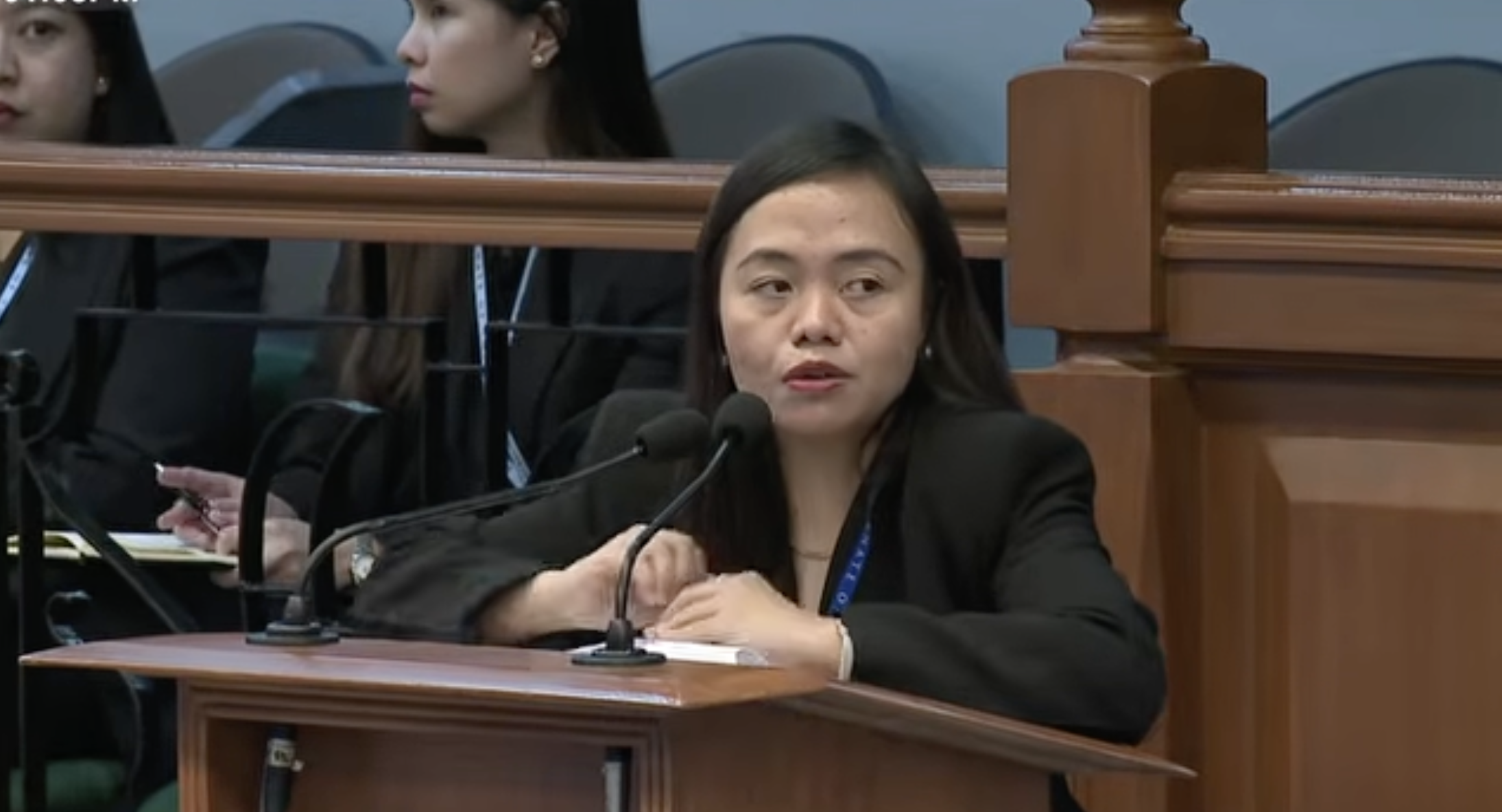
No. A misleading question is not allowed even during cross-examination. This issue recently drew attention during the impeachment trial of Vice President Sara Duterte, where an objection was raised against a question on the ground that it was misleading. The ensuing exchange brought into focus an important issue in trial practice: while lawyers are generally permitted to ask leading questions during cross-examination, the Rules on Evidence separately prohibit misleading questions.
The controlling provision is Section 10, Rule 132 of the 2019 Amendments to the 1989 Revised Rules on Evidence. The Rule expressly permits leading questions on cross-examination, but separately provides that a misleading question “is not allowed.” The fact that cross-examination allows greater latitude in the manner of questioning, therefore, does not mean that every question becomes permissible. The Rules continue to impose a limit where the question assumes a fact that has not been established or contradicts the witness’s previous testimony.
Leading Questions are Generally Allowed on Cross-Examination
A leading question is one that suggests to the witness the answer desired by the examining party.
For example:
“You were present at the meeting on 15 March 2026, correct?”
The question suggests the desired answer – that the witness was present at the meeting.
Ordinarily, such a question would be considered leading, and on direct examination, would generally be prohibited. On cross-examination, however, leading questions are expressly permitted under Section 10, Rule 132. The reason is practical. Cross-examination is ordinarily directed at testing, clarifying, limiting, or challenging the testimony already given by the witness. The examining lawyer therefore has greater latitude to frame questions in a manner that suggests the answer.
A leading question may consequently be entirely proper during cross-examination:
“You were not present when the contract was signed, correct?”
“You did not personally see the accused take the money, correct?”
“You testified earlier that you arrived at approximately 8:00 p.m., correct?”
Each question suggests the answer sought by the examiner. That, by itself, however, does not make the question misleading. The problem arises when the question contains a factual premise that the witness has not testified to or that contradicts the witness’s previous testimony.
A Misleading Question is Different
Section 10, Rule 132 defines a misleading question as one that:
“assumes as true a fact not yet testified to by the witness, or contrary to that which he or she has previously stated.”
The Rule then states simply:
“It is not allowed.”
Two circumstances therefore make a question misleading.
First, the question may assume as true a fact not yet testified to by the witness.
Second, it may assume a fact contrary to what the witness has previously stated.
Unlike the provision governing leading questions, this portion of Section 10 contains no exception permitting misleading questions during cross-examination. The cross-examination exception applies to leading questions, not to misleading questions. This is why the fact that a question is asked during cross-examination does not, by itself, make the question permissible.
Illustration
Suppose a witness testified:
“I arrived at the office at approximately 8:00 p.m.”
On cross-examination, counsel asks:
“You arrived at approximately 8:00 p.m., correct?”
This is leading. The question suggests the answer the lawyer wants. But it is not misleading because the factual premise – that the witness arrived at approximately 8:00 p.m. – has already been established by the witness’s own testimony.
Now consider a different question:
“When you arrived at the office at 7:00 p.m., who was already waiting for you?”
If the witness never testified that he arrived at 7:00 p.m., the question assumes a fact that has not been established. It is therefore misleading. The problem is not simply that the question suggests an answer. The problem is that the question embeds a factual assertion and asks the witness to proceed as though that assertion were already established. The same applies when the question contradicts the witness’s previous testimony.
Suppose the witness testified:
“I did not speak with the accused that evening.”
Counsel then asks:
“When you spoke with the accused that evening, what did he tell you?”
The question assumes as true the very fact that the witness previously denied – that the witness spoke with the accused. That is misleading under the Section 10, Rule 132.
Why are Misleading Questions Prohibited?
The rule serves an important evidentiary purpose. A witness is expected to testify based on his or her knowledge of the facts. The examination process should therefore test that testimony, not create facts through the wording of the lawyer’s questions. Indeed, a misleading question can effectively place an unproven fact into the witness’s mouth.
Consider the following:
“When you saw the accused take the ₱50,000, where were you standing?”
If the witness has never testified that he saw the accused take ₱50,000, the question has already embedded the conclusion that the accused took the money and that the witness personally saw it happen. If the witness answers the question directly, the exchange may create the appearance that the underlying fact had already been established.
In my view, this is precisely why misleading questions have no place in cross-examination. The lawyer’s duty is not simply to secure an answer favorable to his or her cause, but to assist in the ascertainment of the truth. To this end, lawyers may test the witness, challenge his or her recollection, expose inconsistencies, and present evidence that contradicts the testimony. What lawyers should not do, however, is create a factual premise through the question itself and then proceed as though that premise were already established.
In the example above, the proper approach would be to establish the foundational facts first:
“You were at the office that evening, correct?”
“You were standing approximately five meters from the accused?”
“You saw the accused holding the envelope?”
“You saw him take the money from the drawer?”
Only after the factual foundation has been established can counsel properly proceed to the next question. This is one reason why effective cross-examination is less about asking a dramatic question and more about building the testimony one fact at a time.
Final Word
The exchange during the impeachment trial is a useful reminder that cross-examination is not without limits.
A lawyer conducting cross-examination is generally permitted to ask leading questions. Indeed, leading questions are an ordinary and important part of effective cross-examination. But the latitude afforded to counsel does not extend to assuming facts that have not been established or facts that contradict the witness’s testimony. When a question contains such a premise, the appropriate objection is straightforward:
“Objection, misleading.”
The examiner may then reframe the question or establish the factual foundation before proceeding.
For litigators, this is more than a technical rule of evidence. A well-constructed cross-examination does not require the lawyer to put an unproven fact into the question. It is often more effective to establish the necessary facts sequentially, allowing the witness’s own answers – and the evidence already on record – to establish the proposition that the lawyer ultimately intends to prove.
Kristoffer Monico S. Ng is a Philippine lawyer whose practice focuses on labor and employment, corporate and commercial law, tax, energy law, and civil and criminal litigation. He advises businesses and individuals on legal risk, regulatory compliance, taxation, dispute resolution, and complex commercial matters, representing clients before courts, quasi-judicial agencies, and administrative bodies, while also providing strategic legal advice outside the courtroom. He also regularly writes on developments in Philippine jurisprudence and regulation, providing practical insights on legal issues affecting businesses and individuals.
If you require legal advice concerning the issues discussed in this article, or any other legal matter within these practice areas, you may reach him through e-mail at nico@nlaw.ph to discuss your particular circumstances.